Timeline

Timeline

Timeline-5000

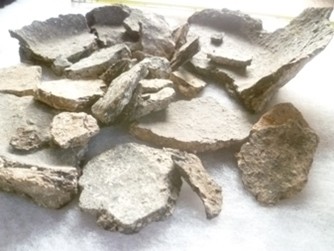
Although we have no direct archaeological evidence of settlement in the form of dwellings in Hambledon itself, the surrounding downland and farm fields have a lot of evidence of human activity in the form of flint arrowheads and other flint tools. A burial site was also discovered in the 1990s complete with an antler digging tool and this points toward settlement. We don’t have a record of the exact location though the finds were identified by Winchester Museum Services as grave goods and dated as around 750 BCE.
Timeline

Timeline-2200

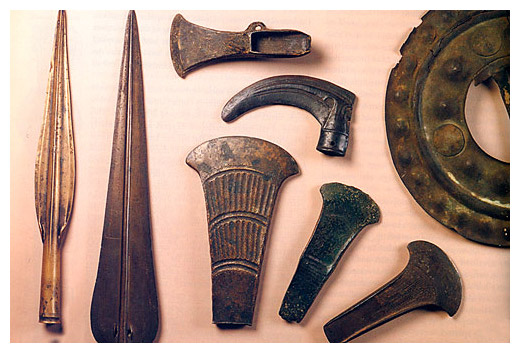
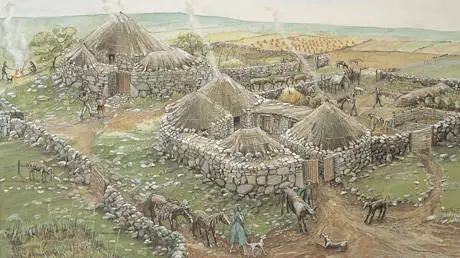
The development of more sophisticated metal tools in this era changed man’s relationship with the environment – permitting greater control over the landscape and enabling more permanent settlement and effective hunting and defence. During this period permanent field systems appeared and the trading of high value goods took place over considerable distance and some extraordinary craftsmanship has been preserved in archaeological finds. There is not much that Hambledon tells us of this era but in context it is likely that Hambledon provided a location with all the requirements of Bronze Age settlement. The characteristic round barrows dotted around the outskirts of the village are the most visible remnants of this era.

Timeline

Timeline-400

During this period Britain experienced immigration of Celtic tribes from north and central Europe. It is likely that inhabitants in the vicinity of ancient Hambledon included these Celtic migrants and it is thought that the name Meon may be a Celtic legacy. Whatever their cultural characteristics – widely associated with particularly decorative arts – they brought key social and economic developments to the Bronze Age environment. These included such features as hill forts, and the oppidum – an enclosed settlement often marked out by ditches and dykes. They also brought their technical knowledge of ironworking.

Timeline

Timeline-43

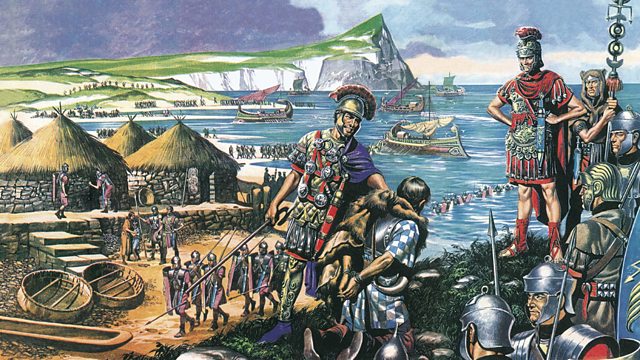
The arrival of the Romans in 43AD is portrayed as a military invasion which is generally true because Rome certainly used military force – first in Julius Caesar’s attacks in 54BCE and then in Emperor Claudius’ sustained invasion in 43AD that set out to subdue the violent resistance of the inhabitants occupying the farthest reach of the Roman Empire. The blood that was shed in battle was the native Celt’s but also that of Rome’s multinational force drawn from the corners of its Empire.

Timeline

Timeline-956

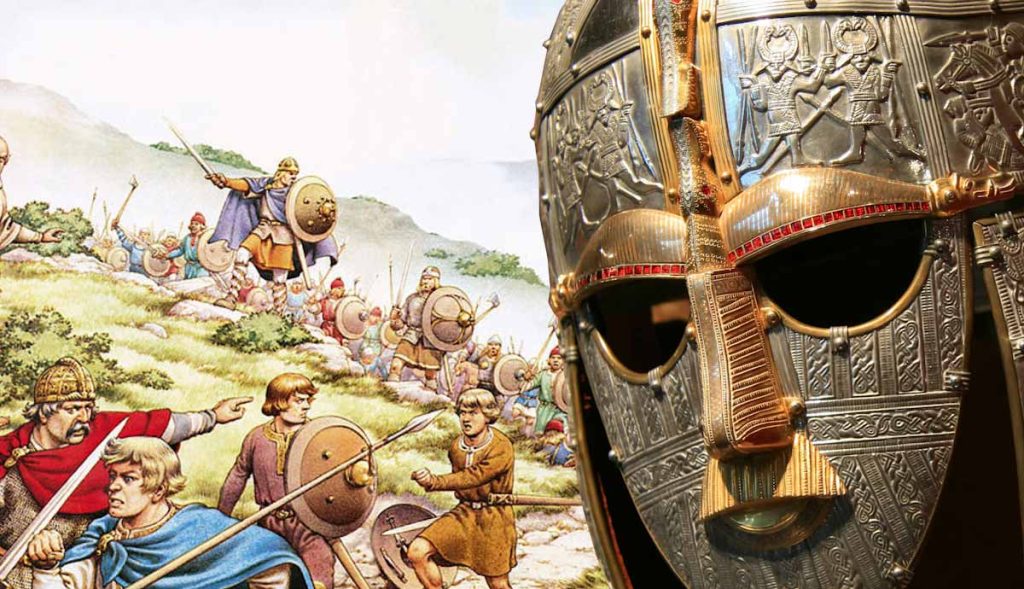
The waning of the Roman Empire in the 5thC was accompanied by the spread of Germanic tribes across Europe and into the islands of Britain. The peoples migrating to our isles in this period were Angles, Saxons and Jutes. The Jutes predominated in the area that is now Kent and they migrated further west to the Isle of Wight thence to the Meon Valley where they were called the Meonwara.

Timeline

Timeline-1066

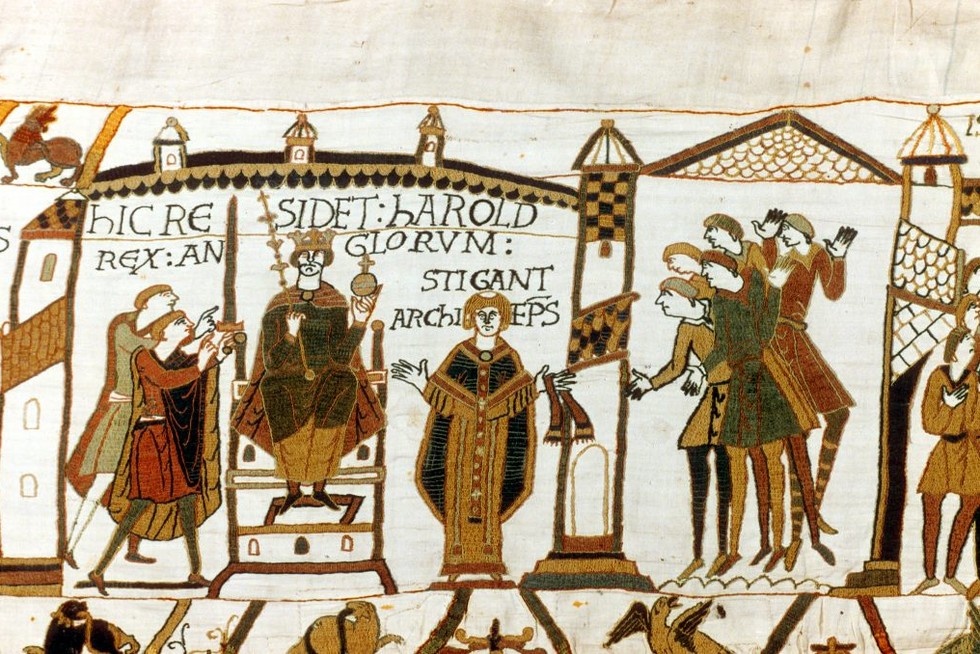
In the Great Survey commissioned by William the Conqueror, Hambledon (recorded as Ambledune) is revealed as a productive and valuable community transitioning from Saxon to Norman hands. Formerly held by Alwin under Edward the Confessor, the land was granted to the Norman aristocrat William de Perci. The survey meticulously details the assets that formed the backbone of the medieval village

Timeline

Timeline-1726

In 1726, a devastating fire tore through the heart of Hambledon, fundamentally reshaping the village’s architecture. The blaze was particularly destructive on the east side of the High Street, where the majority of the houses were either damaged or entirely leveled. The fire also spread into East Street, leaving a significant portion of the community homeless and impoverished.

St Peter & St Paul Church
Timeline

Timeline-1749

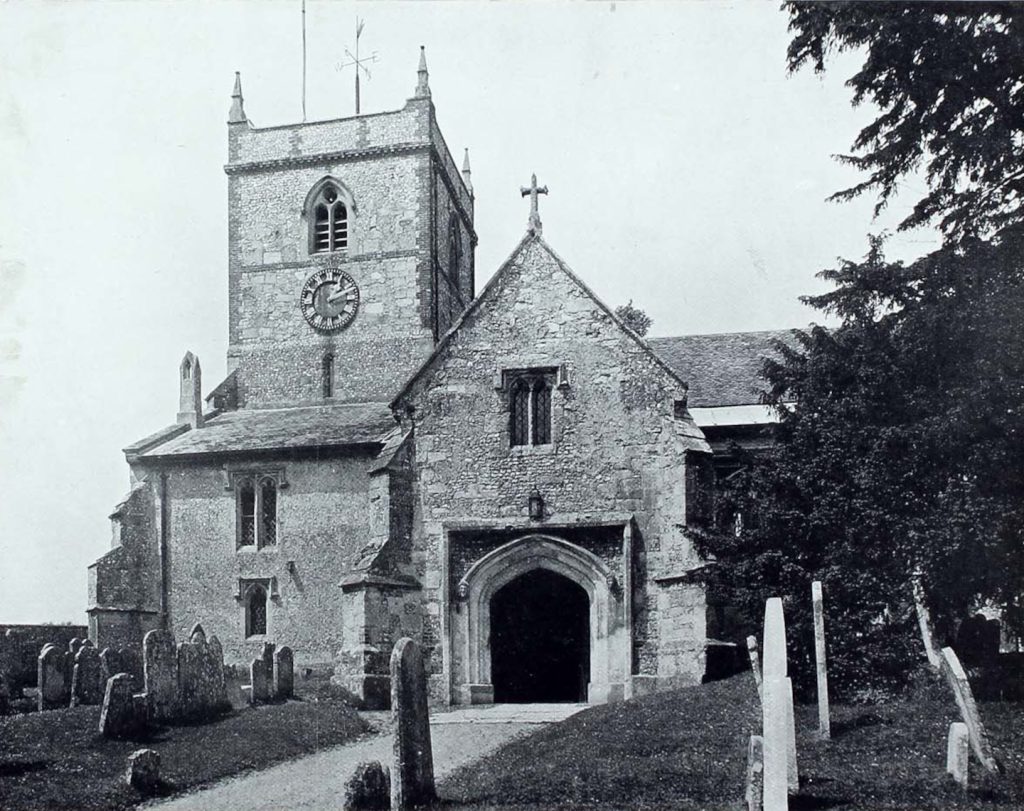
In 1749, St Peter and St Paul’s Church in Hambledon undertook a significant restoration of its soundscape. The existing five bells, which had suffered years of unreliable performance, were dismounted and transported to Robert Catlin’s renowned foundry in Holborn, London. There, they were recast into a modern peal of six bells.

Timeline

Timeline-1772

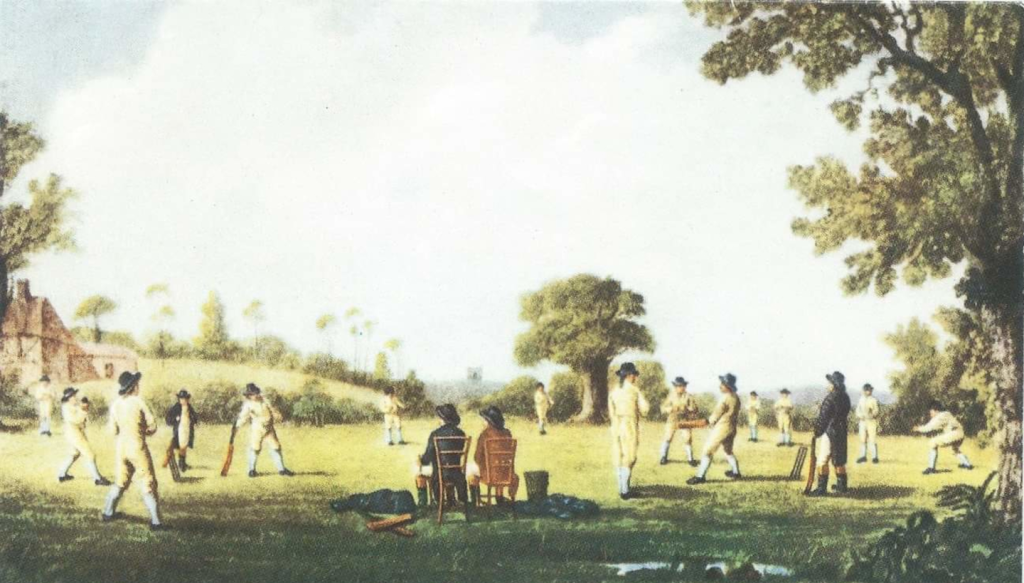
Although a form of cricket had been played on the windswept plateau of Broadhalfpenny Down in Hambledon since at least 1753, the village secured its place in sporting immortality between 23rd and 25th June 1772. This three-day, two-innings match is recognized as the first-ever recorded first-class game of cricket, contested between a Hambledon XI (as local tradition stoutly maintains) or a Hampshire XI (the designation preferred by Wisden) and an England XI.

Timeline

Timeline-1783

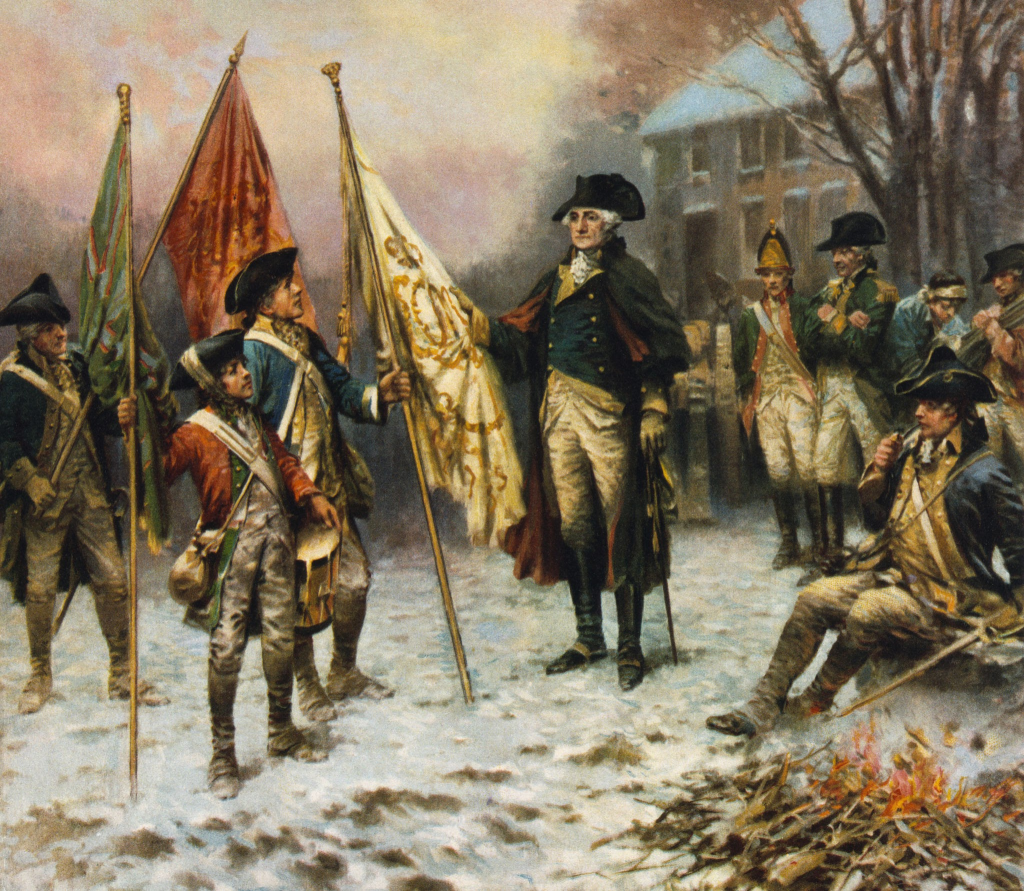
September 3rd, 1783, and the American War of Independence concluded with Great Britain acknowledging defeat, as the thirteen colonies formed the nucleus of what would become the United States of America. This seismic shift in global power threatened the long-standing status quo of monarchical rule, and while the implications for a rural village like Hambledon might seem indirect, the reality was quite different.

Scroll to Top