World War 1

World War 1

James Frederick Hall

James Frederick Hall was born in Hambledon around 1877, the son of George and Eliza Hall. He grew up in the village as part of a large rural working family and spent his childhood in Hambledon where he attended school before entering employment locally. By early adulthood he was working as a brewer’s drayman, a physically demanding occupation delivering barrels of beer from brewery to public houses by horse and wagon.

World War 1

Reginald George Goffin

Reginald George Goffin was born on 15th May 1895 at Toddington, Bedfordshire, the son of Benjamin Goffin and Elizabeth “Lizzie” Durrant. Within a few years the family moved to Hambledon, where his father ran a drapers and grocers business at Commerce House in East Street, a building still standing today as West Street Cottage. The 1901 census shows Reginald living there with his parents and brothers, part of a growing village family rooted in trade rather than farming.

World War 1

George Samuel French

George Samuel French was born in Hambledon in 1897, the son of Samuel Thomas French and Emma Esther French. His childhood was marked by early loss when his mother died in 1902. Afterwards George, his father and younger brother moved into Hoe Gate Farm, the home of his grandfather Samuel French, a retired Royal Navy Petty Officer. The household combined farming life with a background of military discipline, and he grew up within a close rural family typical of the Meon Valley at the turn of the century.

World War 1

Harry George Earwaker

Harry George Earwaker was born on 19th January 1889 in Hambledon, the son of Benjamin and Esther Earwaker. He grew up in West Street within the close rural community that later saw many of its young men leave for the war. Like others from the village, his life combined agricultural roots with later movement toward towns and new trades.

World War 1

Frederick James Clay

Frederick James Clay was born in Hambledon in 1882, the son of George and Keziah Clay, and grew up in the large rural family whose sons would later be remembered together on the Hambledon War Memorial. He was the elder brother of Frank Clay, who would also be killed during the war. Like many men of the parish he spent his early life working on the land, remaining closely tied to the farming community into adulthood.

World War 1

Charlie Bull

Charles Bull was born in Hambledon in January 1893 and baptised in the parish church on 5th March of that year. He grew up in the same village household as his older brother Arthur, part of a rural family whose life revolved around agricultural work and close parish ties. Childhood in Hambledon followed familiar patterns of school, labour and family responsibility, with little expectation that life would extend far beyond the surrounding countryside.

World War 1

Arthur Bull

Arthur Bull was born in Hambledon in 1886 and baptised in the parish church on 2nd May of that year. He grew up in the village as part of a local agricultural family, living among siblings in a household typical of rural Hampshire in the late nineteenth century. Life followed the steady rhythms of farm work and parish community, where employment, housing and identity were closely tied to family and place.

World War 1

John William Bucksey

John William Bucksey was born in July 1887 to Charles and Annie Bucksey of East Hoe Cottages, Green Lane and grew up in the neighbouring farming communities of Soberton and Droxford. Census records show him living with his family through childhood in rural cottages, part of a large agricultural household where work, family and parish life were closely intertwined. Like many village boys of the period, his upbringing was shaped by the rhythms of the countryside rather than travel or industry.

World War 1

William Bugler

William Bugler was born on 29th August 1890 in Hampshire, growing up in the rural communities around Soberton and Hambledon. Census records show him living with his family in Soberton as a child and later at Abbey Farm Cottages in Hambledon. By 1911, at twenty-one years old, he was working as a carter on a farm – a physically demanding agricultural job that involved handling horses and wagons, transporting produce and supplies across the countryside. His life, like that of many village men, was rooted in seasonal work, local ties and familiar roads rather than distant travel.
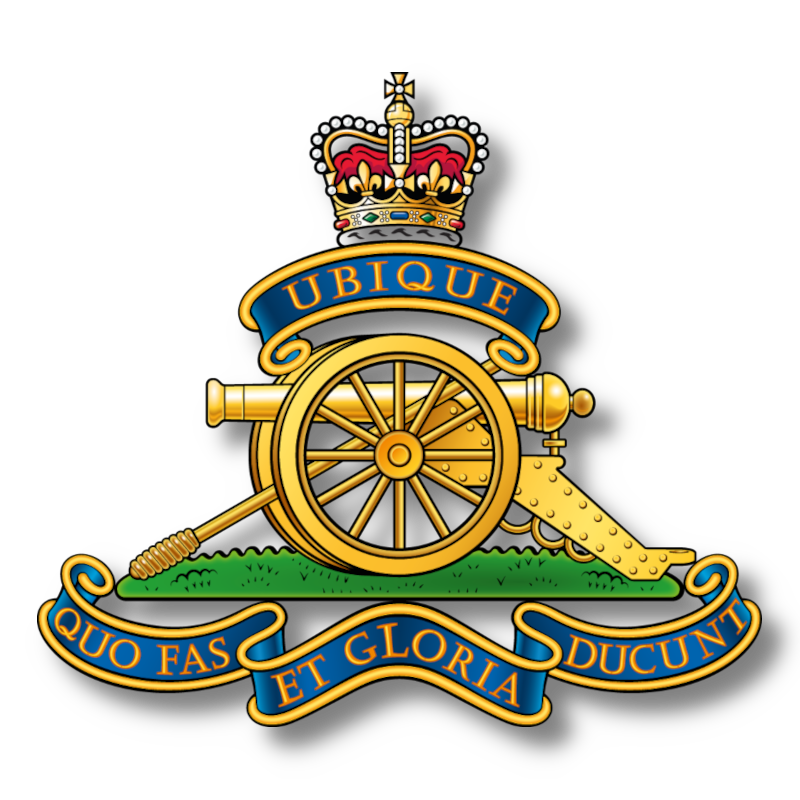
In 1915 he was living at Bittles Farm Cottage in Hambledon. The outbreak of the First World War drew men like Bugler from agricultural labour into military service, and sometime after 1914 he enlisted in the Royal Field Artillery. For men accustomed to horses and hauling loads, artillery was a natural assignment. Gun teams depended on the same practical skills used on farms – strength, endurance and the handling of animals and equipment – but now under far harsher conditions.

World War 1

David Greig Bryce

David Greig Bryce was born on 18th January 1869 in Edinburgh, the son of Archibald Hamilton Bryce and Mary Ferguson. His life belonged to a generation of professional officers shaped by the height of the British Empire – men whose careers unfolded not in a single campaign but across continents and climates. Unlike many commemorated on village memorials, soldiering was not an interruption to his life but its defining structure, a vocation begun in youth and followed for decades.

Scroll to Top