Maps

Maps

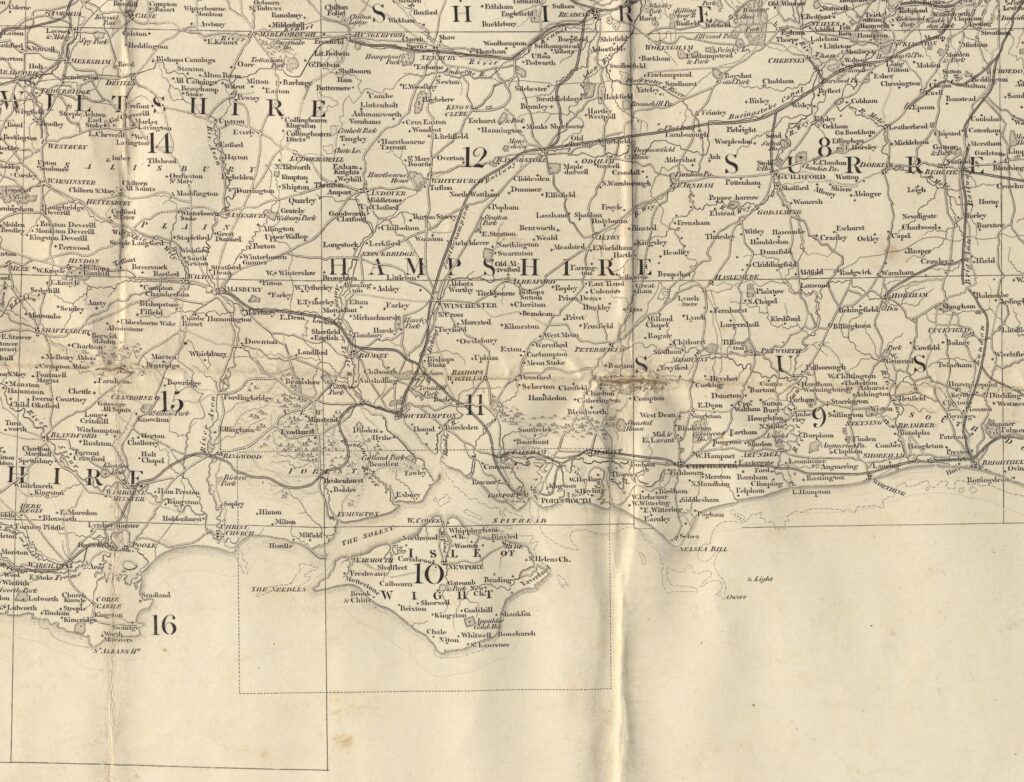
1897 – Ordnance Survey

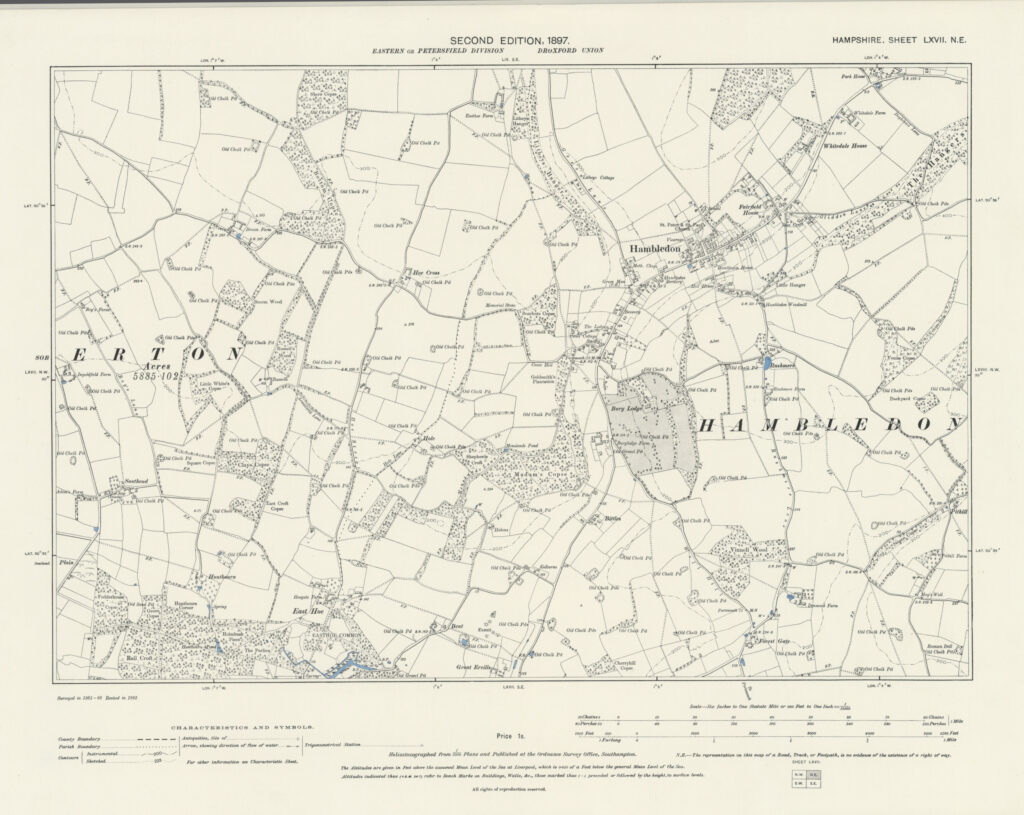
The Ordnance Survey Second Edition maps of Hampshire, published in 1897, were based on a systematic revision carried out in 1895. This revision updated the earlier First Edition large-scale surveys of the county, which had originally been conducted in the mid-nineteenth century. Rather than undertaking a completely new survey, the Ordnance Survey carried out field revision to record changes that had occurred in the intervening decades.
Maps

1842 – The Tithe Map

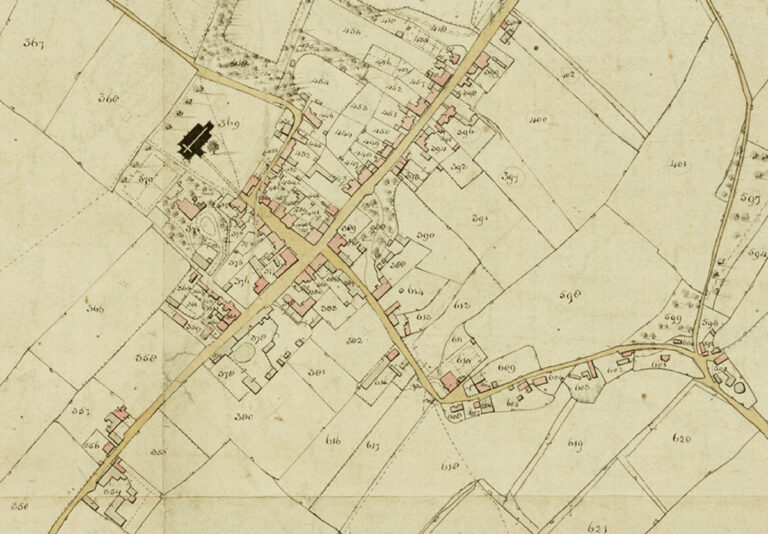
Tithe maps were produced following the Tithe Commutation Act of 1836, legislation passed to reform the long-established system by which a tenth of agricultural produce was paid to support the Church of England and, in some cases, other tithe owners. Traditionally, this payment had often been made in kind, meaning crops or livestock were delivered rather than money. The 1836 Act converted these payments into a fixed monetary charge known as a tithe rentcharge.

Maps

1826 – William Cobbett

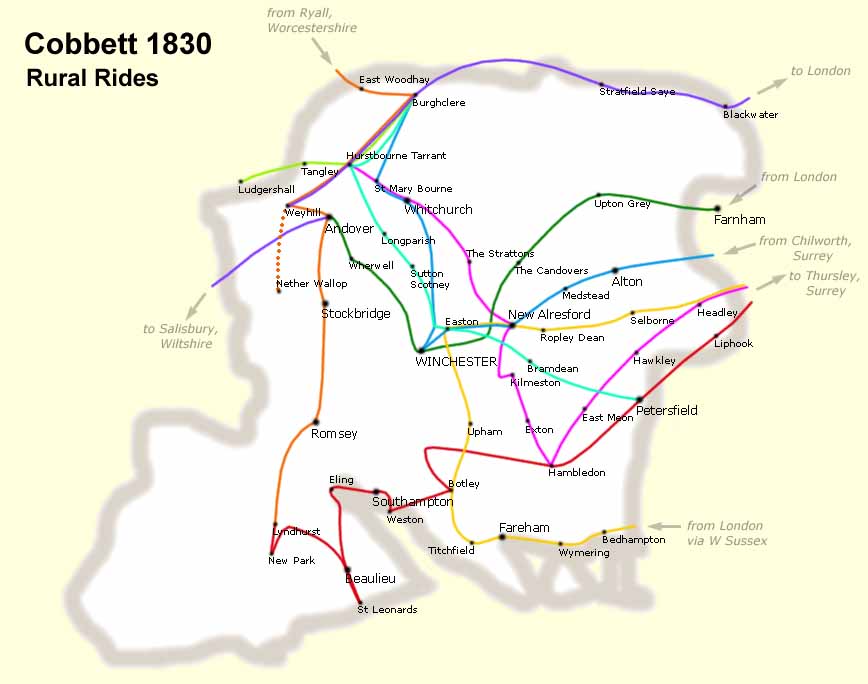
William Cobbett was born in 1763 at Farnham, Surrey, the son of a farm labourer. In early adulthood he enlisted as a foot soldier and served in North America between 1784 and 1791. After returning to England, he became a political writer, pamphleteer and publisher. In 1805 he settled at Botley in Hampshire, where he farmed and conducted much of his later writing.

Maps

1810 – Ordnance Survey

The Ordnance Survey began systematic national mapping in the late eighteenth century in response to concerns over possible French invasion during the Revolutionary and Napoleonic Wars. Initial military surveying focused on the south coast of England, considered the area most vulnerable to attack. Survey work commenced in Kent and progressed westward along the coastline.

Maps

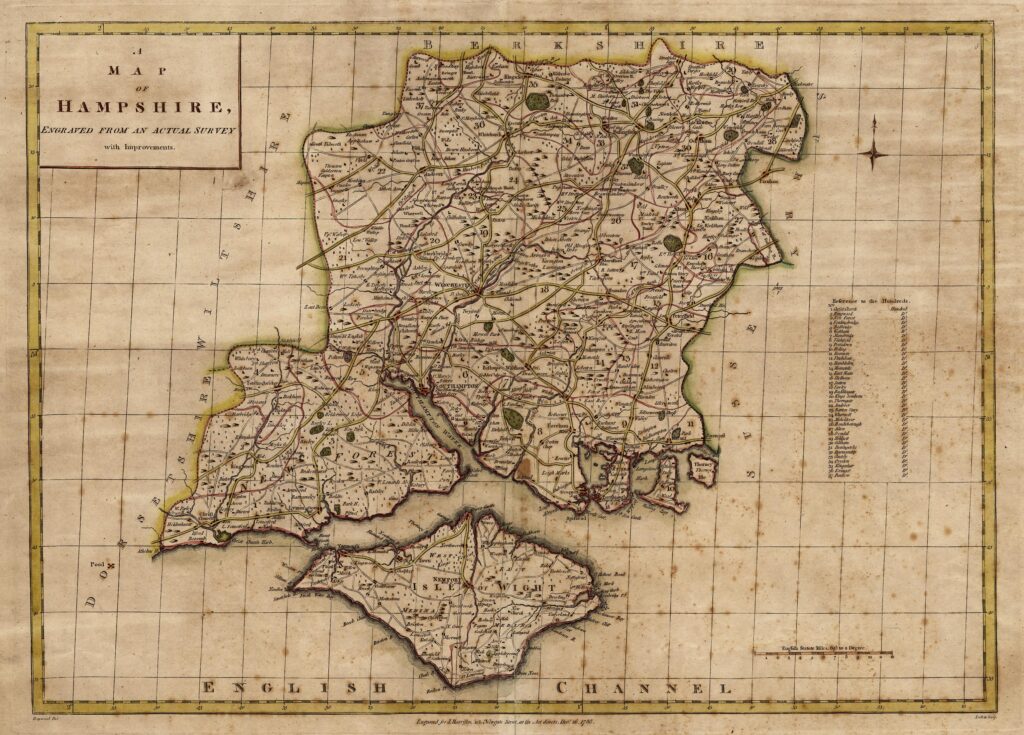
1788 – John Harrison

The Hampshire county map issued by John Harrison was first published on 16 December 1788 and later included in his 1791 atlas of England and Wales. Harrison was a London publisher operating from 115 Newgate Street, and his atlas formed part of the late eighteenth-century expansion of commercially produced county cartography.

Maps

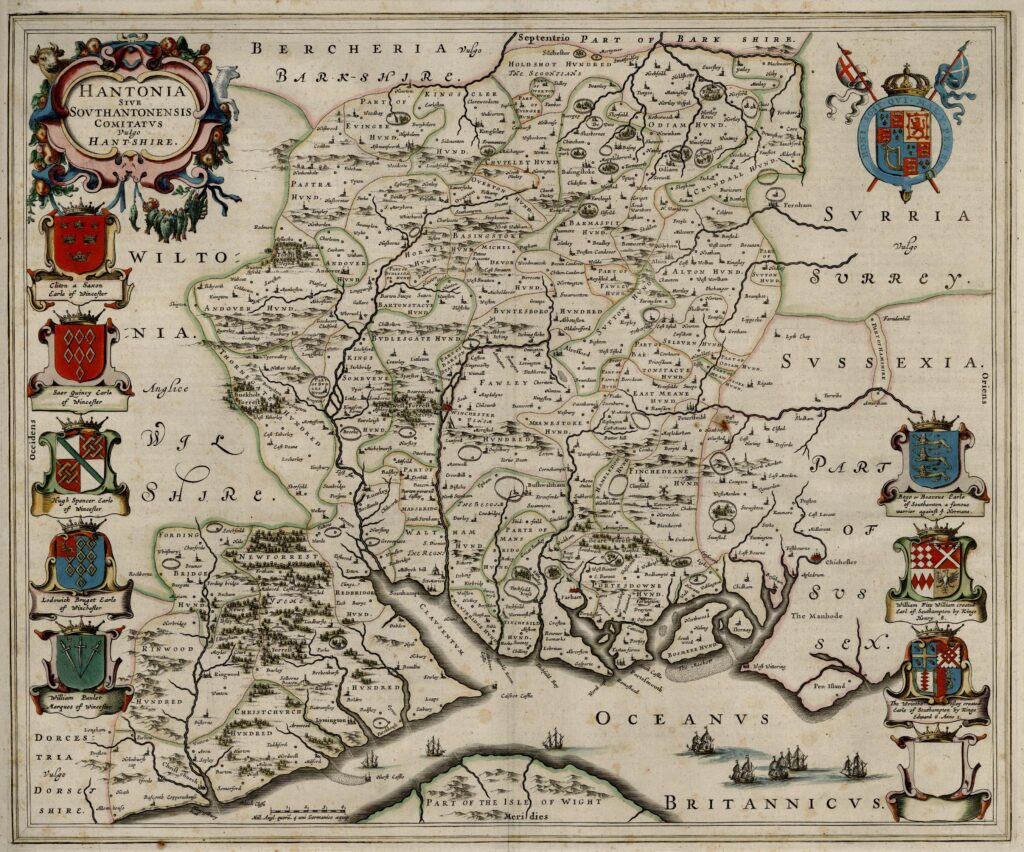
1645 – Joan Blaeu

The 1645 engraved map of Hampshire was published by Joan Blaeu (1596–1673), often anglicised as John Blaeu, the Dutch cartographer and atlas publisher based in Amsterdam. Although English sources frequently refer to him as John Blaeu, his correct Dutch name was Joan Blaeu. He was the son of Willem Janszoon Blaeu, founder of the Blaeu cartographic publishing house, and assumed control of the firm following his father’s death in 1638.

Maps

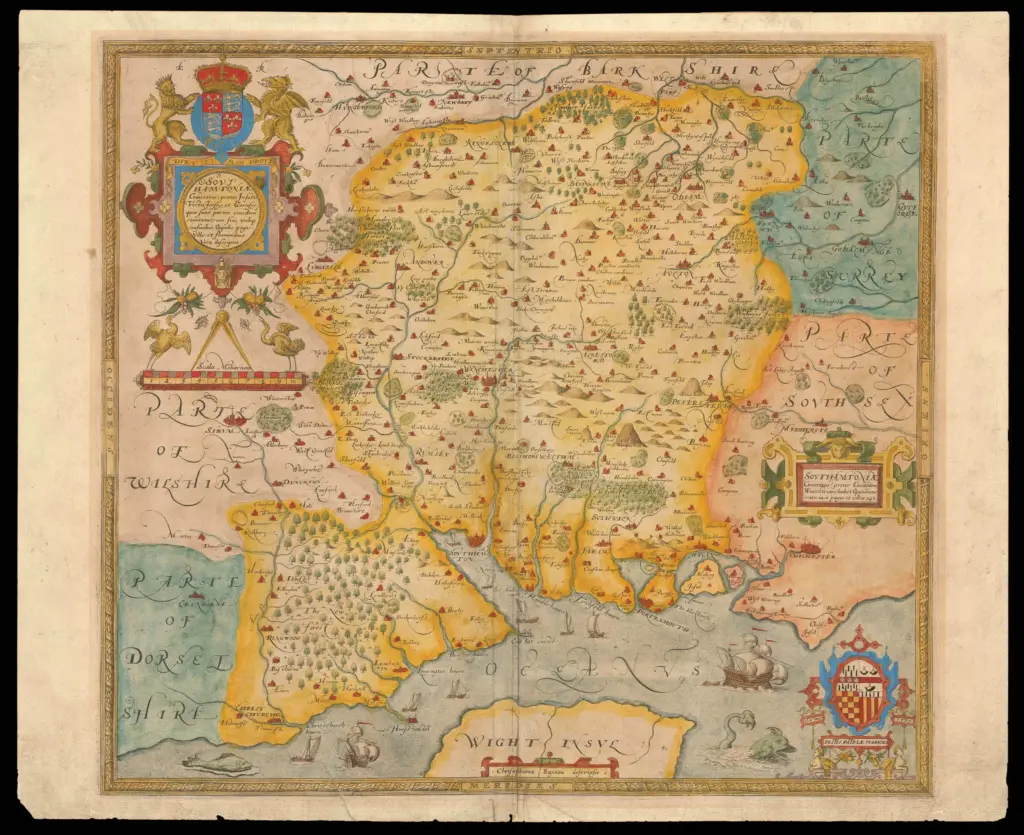
1579 – Christopher Saxton

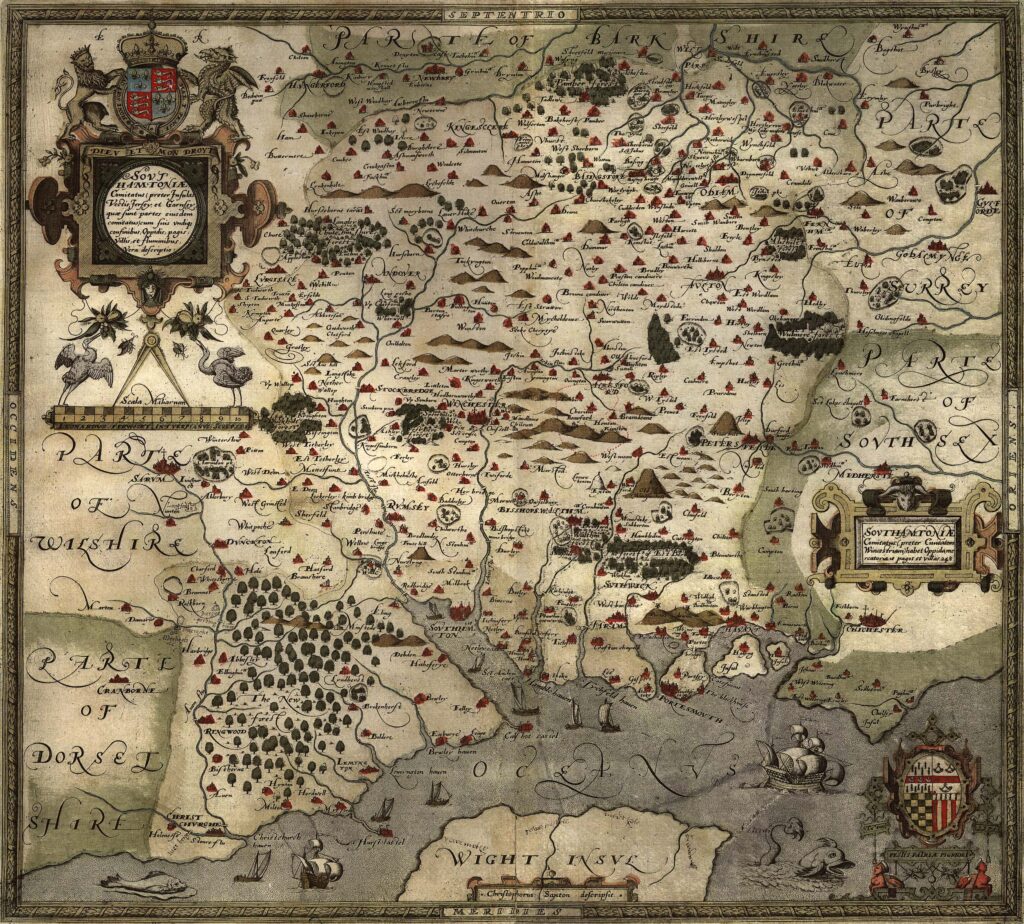
Christopher Saxton’s map of Hampshire, titled Southamtoniae, was engraved around 1575 as part of his systematic survey of England and Wales. The copperplate for the county was prepared during the main production phase of the atlas (c. 1574–1578), with engraving undertaken by Leonard Terwoort of Antwerp. At this stage, the map existed as an individual printed sheet.

Maps

1575 – Christopher Saxton

Christopher Saxton, born around 1540 and believed to have originated from Yorkshire, stands as one of the most significant figures in the history of English cartography. Working during the reign of Elizabeth I, he became the creator of the first printed atlas devoted entirely to the counties of England and Wales. His work marked a decisive transition from medieval mapping traditions toward a more systematic, survey-based representation of the landscape.

Scroll to Top