
Historical Eras

Historical Eras

Modern Times

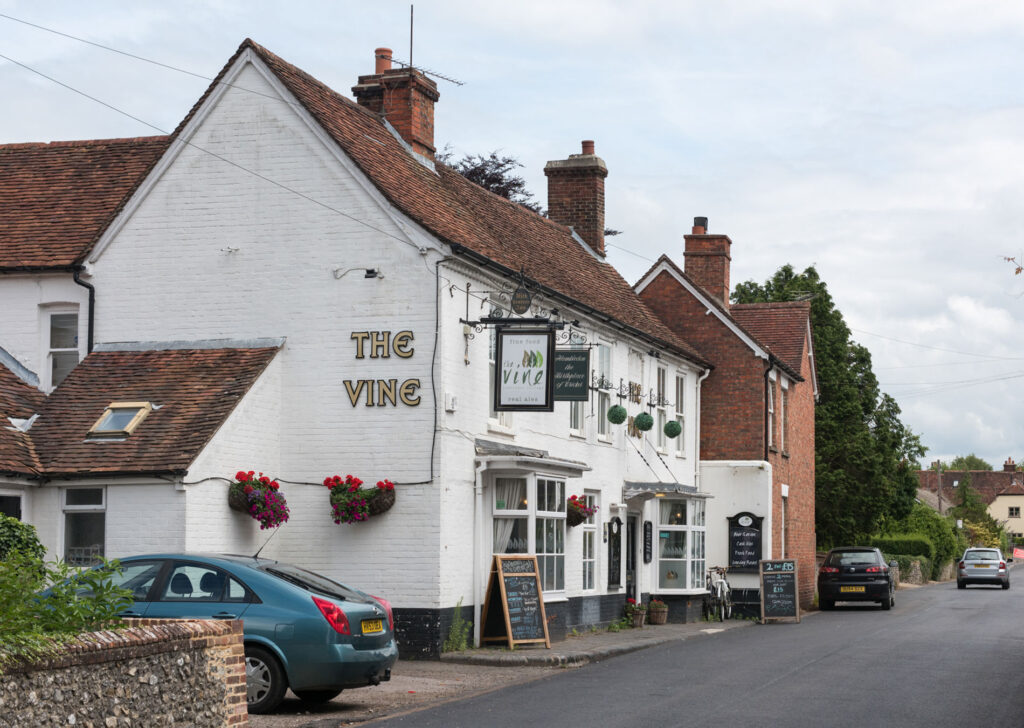
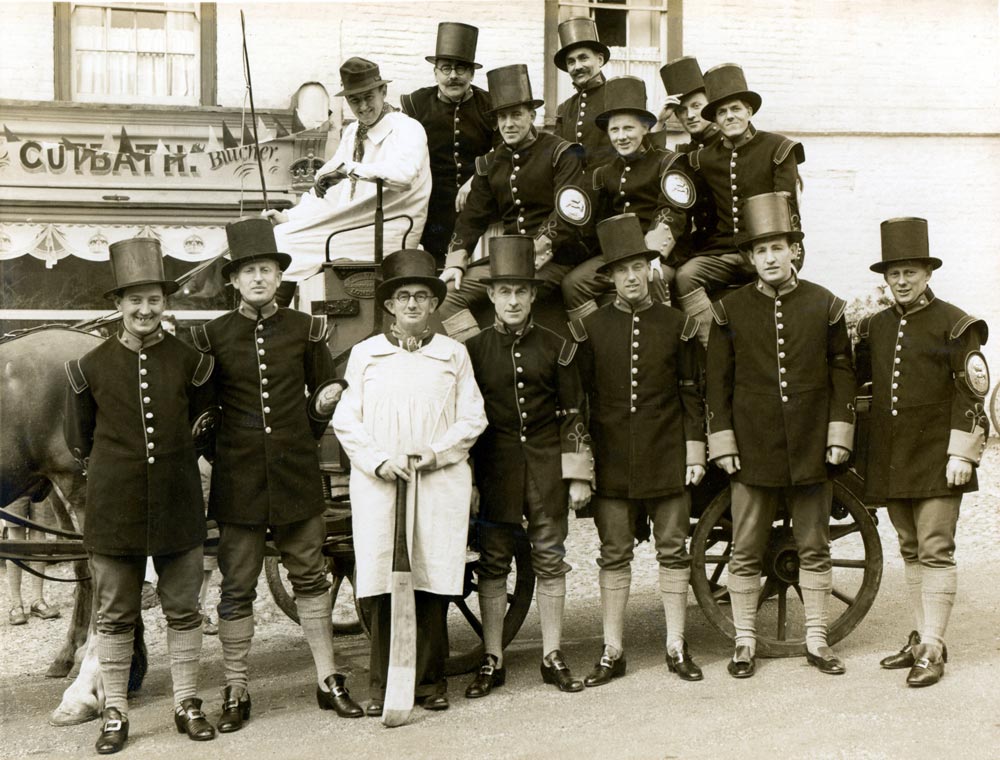
The plentiful aquifer water of Hambledon supported two breweries in the 19thC, the better known being Hartridge & Sons, formerly Alliance Brewery, which was acquired by Francis Hartridge in 1882 and continued at the same site for over 100 years, even surviving a German high explosive bomb in 1940.

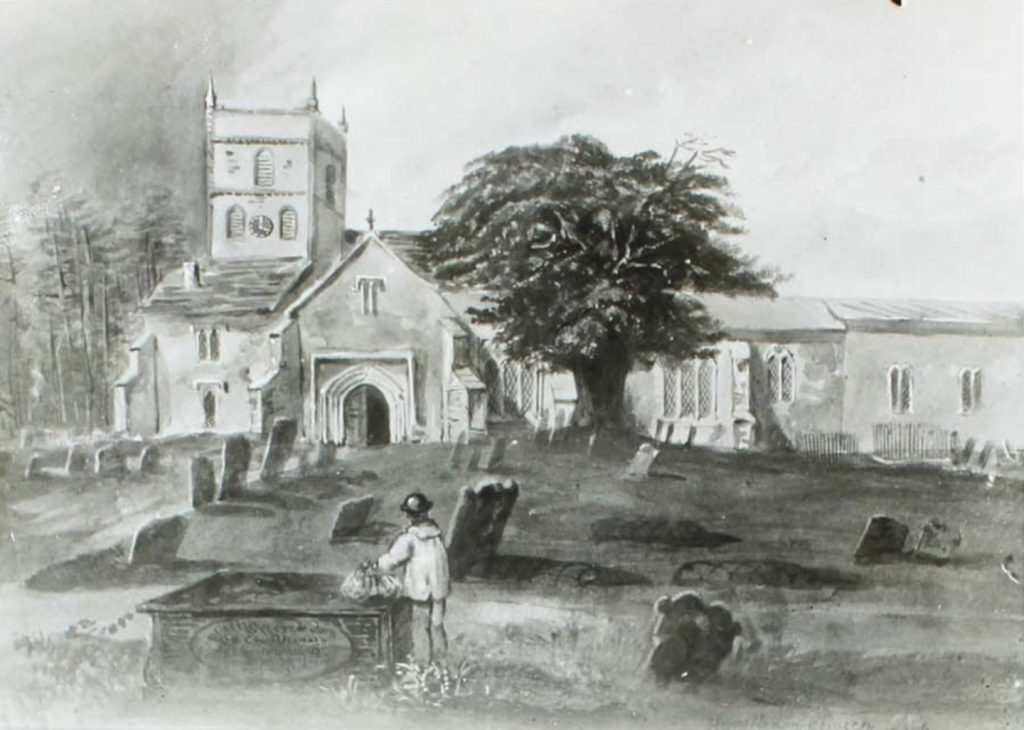
The arrival in 1874 of a new Vicar, the Reverend Dr. Thomas White, led to vigorous work in church building and reform of worship. Hambledon’s parish church underwent major repairs, and a new church of All Saints was consecrated at Denmead in 1880 to serve its growing population.
Historical Eras

The Middle Ages

Domesday Book mentions only two of the holdings in Hambledon, but figures given suggest quite a prosperous community. William I seized all church lands but in about 1160 Henry II returned the Manor of Hambledon to the Bishop of Winchester. A hundred years later Henry III granted the Bishop a weekly market in Hambledon on Tuesdays. This meant a rapid growth in the prosperity of the village and can be linked with the ambitious programme of enlarging the church.

Historical Eras

Earliest Days

The first evidence of settlement at Hambledon is the Bronze Age barrows scattered around the parish; while there is little trace of their successors, the Iron Age Celts, it is worthy of note that the ramparts of Old Winchester Hill’s Iron Age fort can be seen from the high ground of Hambledon’s downs just a few hours walk distant. However by 100 AD a Roman Villa had been established and this stood near Bury Lodge. During the invasions of the 5th century the Jutes probably settled in this area, as well as the Meon valley and were knows as the Meonwara. The first mention of Hambledon is in a charter by King Edgar dated 956 granting land at Chidden.

Scroll to Top