Author name: admin

World War 2

Ronald Salter

Ronald Salter lived in Hambledon at 4 Church Lane and was the son of Marion Hoare (née Salter). He was well known locally and remembered as a close friend of the Clay family, part of the small village community where families and friendships often overlapped across generations.
World War 2

James Henry Bailey

James Henry Bailey was born in 1901 at Hadlow in Kent. As a boy he entered the army in 1917 as a boy soldier and remained in regular service for over a decade, leaving the colours in 1928. Military life therefore formed the foundation of his adult years, and even after returning to civilian life he remained part of the reserve.

Timeline

Timeline-1066

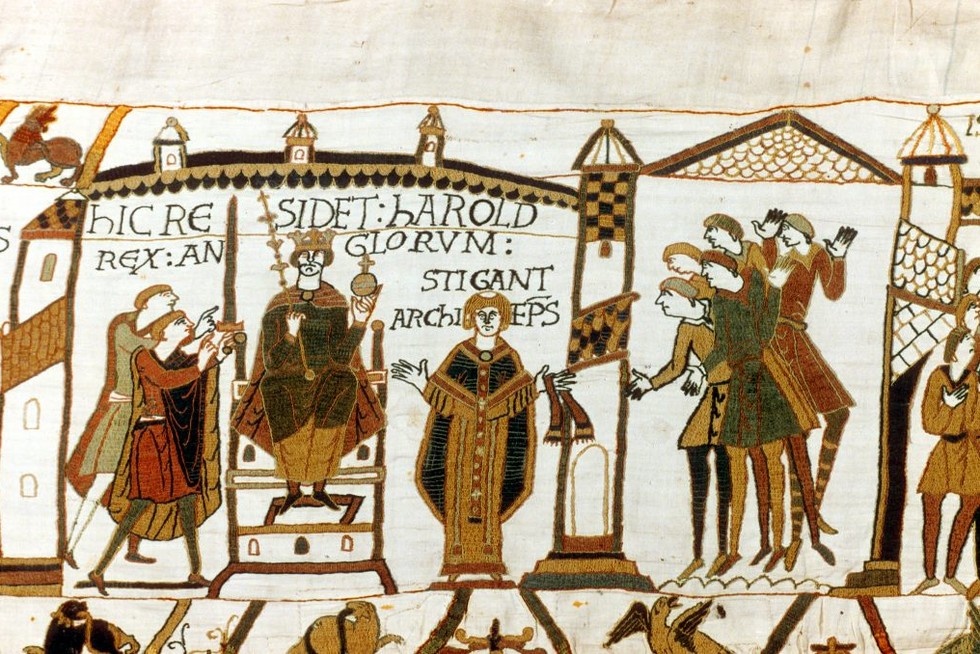
In the Great Survey commissioned by William the Conqueror, Hambledon (recorded as Ambledune) is revealed as a productive and valuable community transitioning from Saxon to Norman hands. Formerly held by Alwin under Edward the Confessor, the land was granted to the Norman aristocrat William de Perci. The survey meticulously details the assets that formed the backbone of the medieval village

Timeline

Timeline-1726

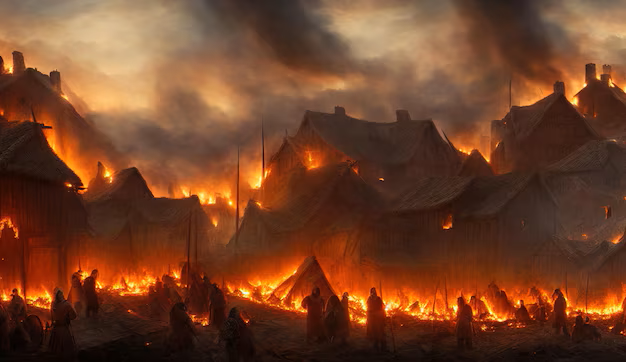
In 1726, a devastating fire tore through the heart of Hambledon, fundamentally reshaping the village’s architecture. The blaze was particularly destructive on the east side of the High Street, where the majority of the houses were either damaged or entirely leveled. The fire also spread into East Street, leaving a significant portion of the community homeless and impoverished.

St Peter & St Paul Church
Timeline

Timeline-1749

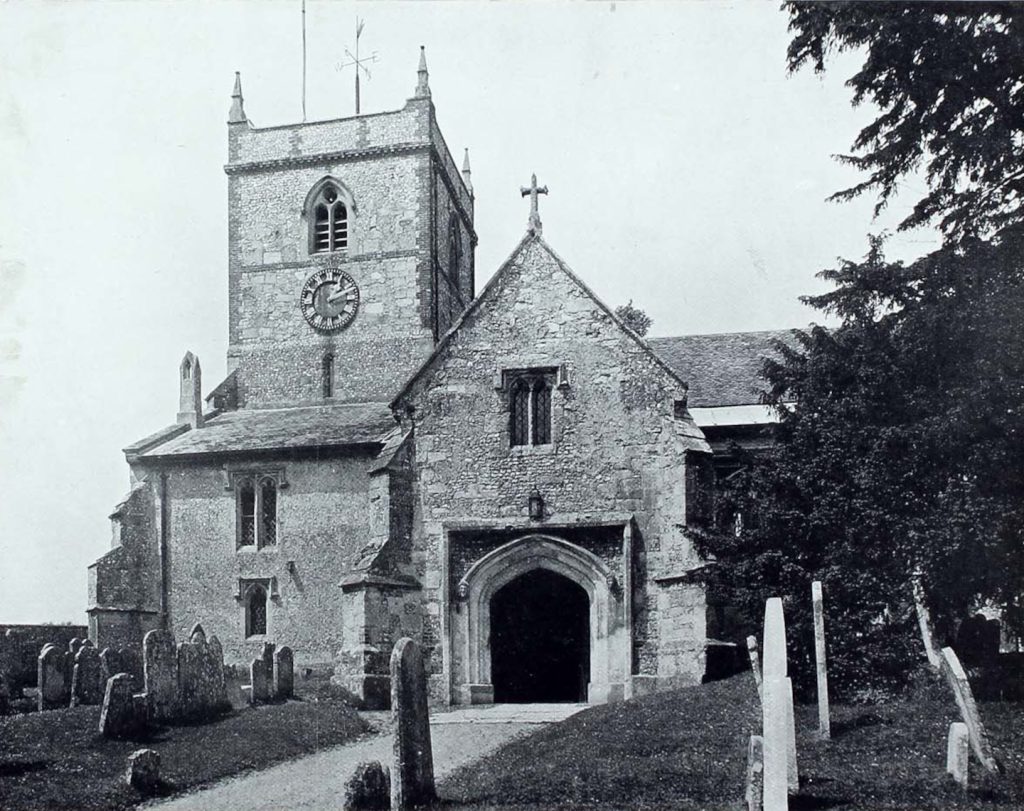
In 1749, St Peter and St Paul’s Church in Hambledon undertook a significant restoration of its soundscape. The existing five bells, which had suffered years of unreliable performance, were dismounted and transported to Robert Catlin’s renowned foundry in Holborn, London. There, they were recast into a modern peal of six bells.

Timeline

Timeline-1772

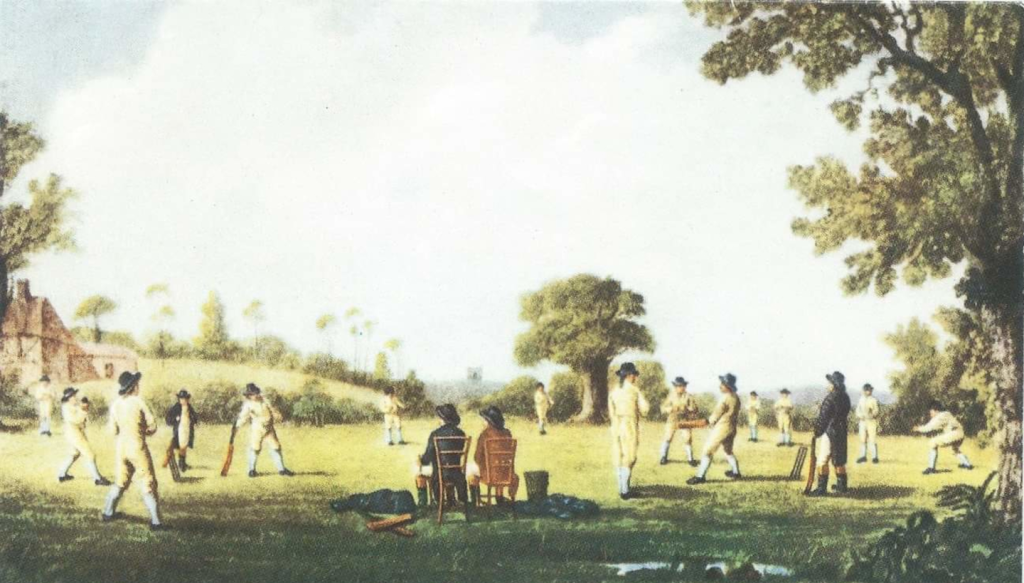
Although a form of cricket had been played on the windswept plateau of Broadhalfpenny Down in Hambledon since at least 1753, the village secured its place in sporting immortality between 23rd and 25th June 1772. This three-day, two-innings match is recognized as the first-ever recorded first-class game of cricket, contested between a Hambledon XI (as local tradition stoutly maintains) or a Hampshire XI (the designation preferred by Wisden) and an England XI.

Timeline

Timeline-1783

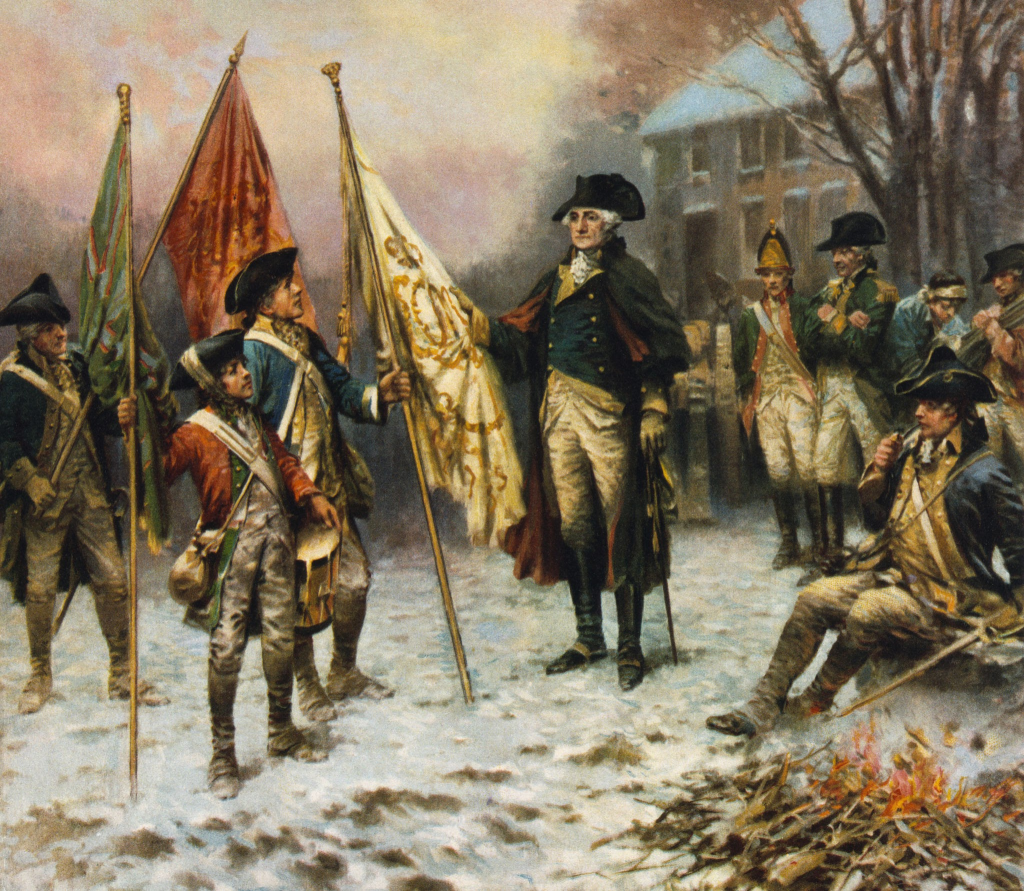
September 3rd, 1783, and the American War of Independence concluded with Great Britain acknowledging defeat, as the thirteen colonies formed the nucleus of what would become the United States of America. This seismic shift in global power threatened the long-standing status quo of monarchical rule, and while the implications for a rural village like Hambledon might seem indirect, the reality was quite different.

World War 1

William Henry Warner

William Warner was born in Norfolk in 1895, the son of George and Ellen Warner. The family later moved south to Hambledon where his father worked as a gamekeeper, settling first at Glidden Farm and later at Chidden Holt. William grew up in the countryside and, like many boys raised in rural households, entered agricultural work at an early age. By 1911 he was employed as a shepherd, part of a family whose livelihood depended on the surrounding farmland and estates.

World War 1

Frederick Sturgess

Frederick Thomas J Sturgess was born in Hambledon in 1892, the son of Thomas William and Emma Sturgess of Clapgate, North Lichfield. He grew up in the village in a working rural household and was still living there as a child in Church Lane at the time of the 1901 census. By early adulthood he had already entered military life and in 1911 was serving with the Hampshire Regiment at Aldershot, choosing a soldier’s career while many of his contemporaries remained in farm work.

World War 1

Frank Smith

Frank Smith was born in Hambledon in 1892, the son of Emma Agnes Smith and grandson of William and Keziah Smith. He grew up largely in his grandparents’ household at Green Lane, part of a long established village family. Like many boys of rural background he entered military service at a young age rather than agricultural work, and by 1911 he was already serving as a soldier with the 1st Battalion Dorsetshire Regiment at Alma Barracks, Farnborough.

Scroll to Top