Author name: admin

Timeline

Timeline-5000

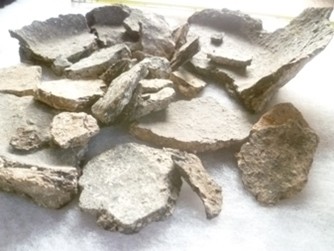
Although we have no direct archaeological evidence of settlement in the form of dwellings in Hambledon itself, the surrounding downland and farm fields have a lot of evidence of human activity in the form of flint arrowheads and other flint tools. A burial site was also discovered in the 1990s complete with an antler digging tool and this points toward settlement. We don’t have a record of the exact location though the finds were identified by Winchester Museum Services as grave goods and dated as around 750 BCE.
Timeline

Timeline-2200

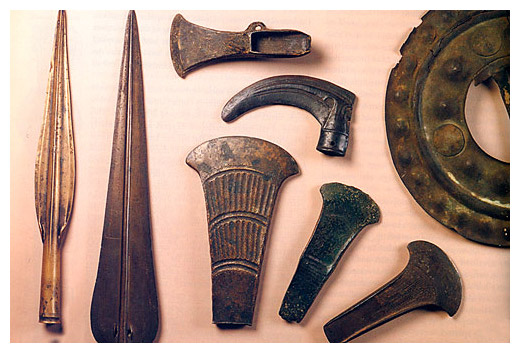
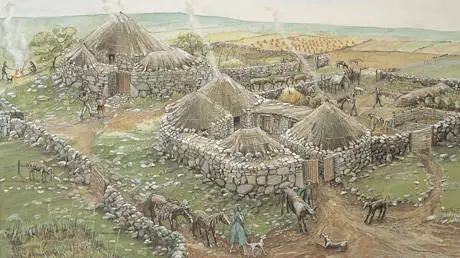
The development of more sophisticated metal tools in this era changed man’s relationship with the environment – permitting greater control over the landscape and enabling more permanent settlement and effective hunting and defence. During this period permanent field systems appeared and the trading of high value goods took place over considerable distance and some extraordinary craftsmanship has been preserved in archaeological finds. There is not much that Hambledon tells us of this era but in context it is likely that Hambledon provided a location with all the requirements of Bronze Age settlement. The characteristic round barrows dotted around the outskirts of the village are the most visible remnants of this era.

Timeline

Timeline-400

During this period Britain experienced immigration of Celtic tribes from north and central Europe. It is likely that inhabitants in the vicinity of ancient Hambledon included these Celtic migrants and it is thought that the name Meon may be a Celtic legacy. Whatever their cultural characteristics – widely associated with particularly decorative arts – they brought key social and economic developments to the Bronze Age environment. These included such features as hill forts, and the oppidum – an enclosed settlement often marked out by ditches and dykes. They also brought their technical knowledge of ironworking.

Timeline

Timeline-43

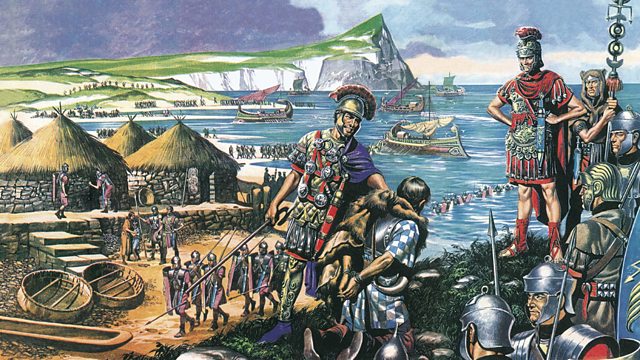
The arrival of the Romans in 43AD is portrayed as a military invasion which is generally true because Rome certainly used military force – first in Julius Caesar’s attacks in 54BCE and then in Emperor Claudius’ sustained invasion in 43AD that set out to subdue the violent resistance of the inhabitants occupying the farthest reach of the Roman Empire. The blood that was shed in battle was the native Celt’s but also that of Rome’s multinational force drawn from the corners of its Empire.

Timeline

Timeline-956

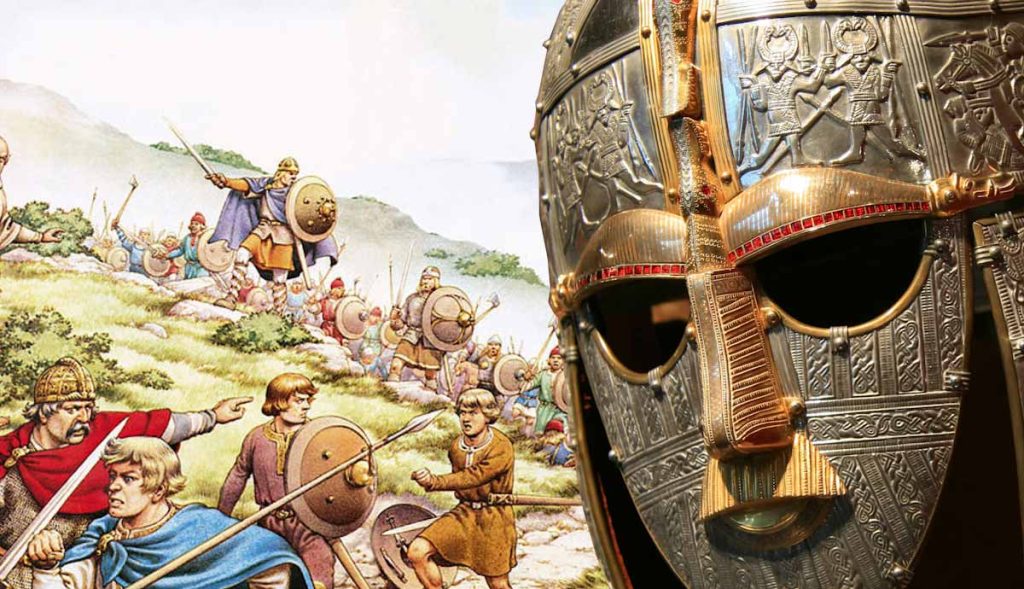
The waning of the Roman Empire in the 5thC was accompanied by the spread of Germanic tribes across Europe and into the islands of Britain. The peoples migrating to our isles in this period were Angles, Saxons and Jutes. The Jutes predominated in the area that is now Kent and they migrated further west to the Isle of Wight thence to the Meon Valley where they were called the Meonwara.

World War 2

William John Clay

William John Clay was the son of Alfred and Ethel Grace Clay of Chidden Farm Cottages, Hambledon, and worked locally at Scotland Farm before entering the army. Like many young men of the village his civilian life was rooted in agricultural work, but he joined one of the oldest and most prestigious infantry regiments in the British Army, the Coldstream Guards.

World War 2

Edward Alfred Doughty

Edward Alfred Doughty was born in Hambledon on 1st May 1922, the younger son of Edward and Sarah Doughty of The Stores in the High Street, the village shop run by the family. He grew up in the centre of village life alongside his older brother Leonard, both belonging to a generation whose adulthood was shaped entirely by the Second World War.

World War 2

Leonard George Doughty

Leonard George Doughty was born in Hambledon on 6th September 1913, the elder son of Edward and Sarah Doughty of The Stores in the High Street, the village shop run by the family. He grew up at the centre of village life and by 1939 was working as a grocery salesman while also serving locally in the Royal Observer Corps alongside his father, helping to track and identify aircraft during the early years of the war.

World War 2

Percy Charles Guymer

Percy Charles Guymer was born on 25th December 1899 at Stony Stratford in Buckinghamshire and spent his early years in the Wolverton and Fenny Stratford area where his father worked in general business. During the First World War he enlisted in the Oxfordshire and Buckinghamshire Light Infantry. Like many young soldiers of the later war years he was subsequently transferred to the Labour Corps, undertaking the essential but demanding work of road building, transport and supply duties that kept the army operating behind the front lines. His service placed him among the generation whose military experience came not only from combat but from the vast logistical effort required to sustain modern warfare.

World War 2

Maurice Jack Kirby

Maurice Jack Kirby was born in Hambledon on 23rd August 1920, the son of John William and Annie Kate Kirby. The family lived in the High Street and later in a cottage beside The Vine in West Street, and he grew up in a working agricultural household where his father was employed as an engine driver on local farms. By 1939 Maurice himself was working as a heavy labourer in coal delivery, typical of the manual trades carried out by many young men of the village.

Scroll to Top